Best DIY Furniture Paint / Journal
Emerging Opportunities and Success Strategies in the Spare Parts Retailer Industry
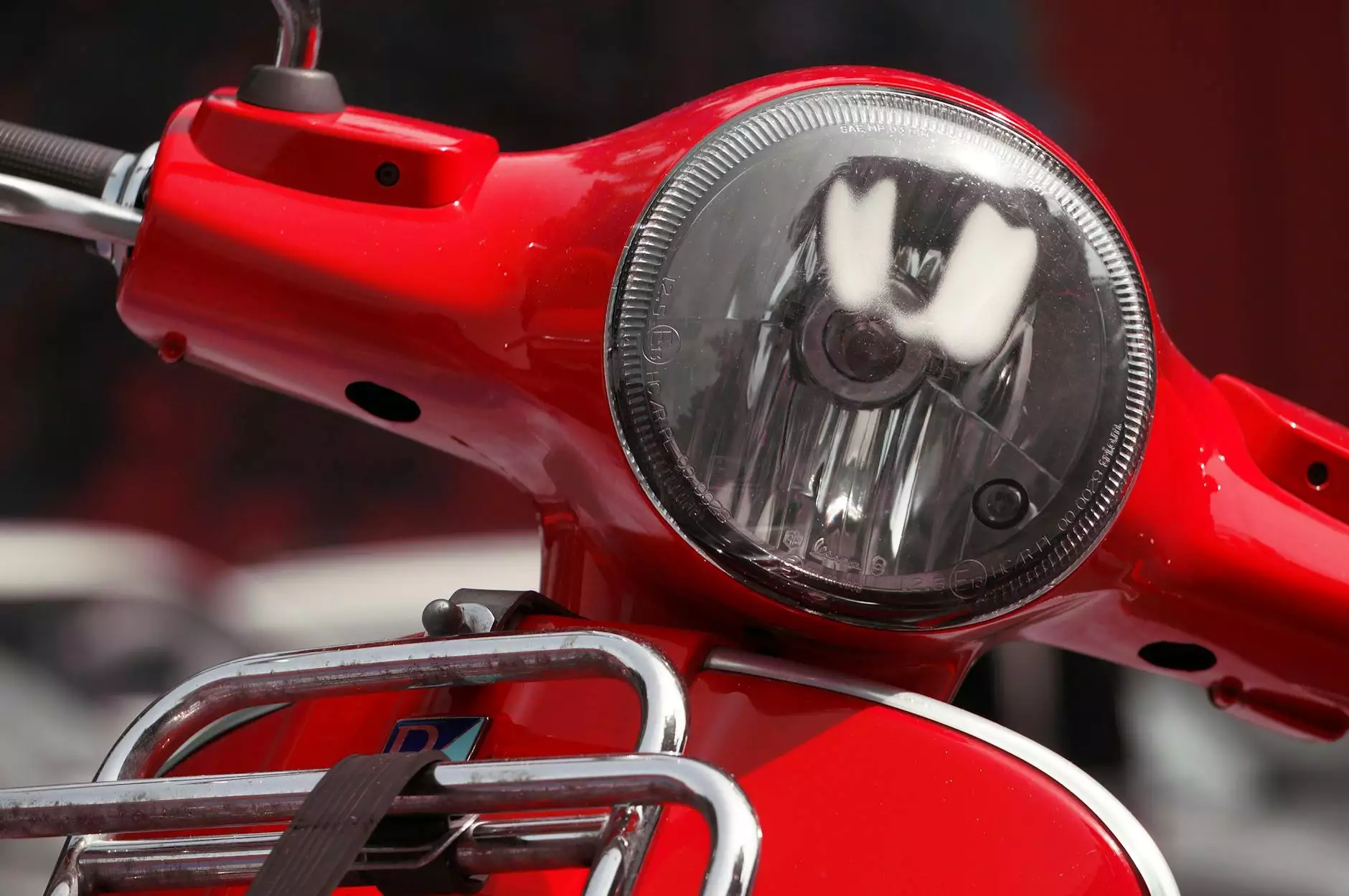
The automotive industry is one of the most dynamic sectors globally, characterized by rapid technological advancements, increasing vehicle longevity, and rising consumer demand for quality parts. Within this thriving landscape, the spare parts retailer sector stands out as a cornerstone of automotive maintenance and repair services. Companies like 1autoparts.com exemplify how strategic business practices, comprehensive inventory management, and a focus on customer satisfaction propel a spare parts retailer to industry leadership. In this comprehensive article, we delve into the multifaceted world of the spare parts retailer industry, uncovering key success factors, market trends, and actionable insights that can help your business outperform competitors and achieve sustained growth.
Understanding the Spare Parts Retailer Business Model
At its core, a spare parts retailer is a business dedicated to sourcing, stocking, and distributing automotive parts and accessories to end customers, repair shops, and wholesale clients. These entities operate at the intersection of manufacturing, distribution, and retail, serving as vital connectors that ensure vehicles meet safety, efficiency, and performance standards.
The typical spare parts retailer business model involves several key components:
- Inventory Management: Maintaining an extensive, precisely curated stock of OEM (Original Equipment Manufacturer) and aftermarket parts. This includes engine components, transmission parts, electricals, body parts, and accessories.
- Supplier Relationships: Building strong partnerships with manufacturers and distributors to ensure reliable supply chain operations and competitive pricing.
- Customer Service & Support: Offering expert advice, installation guidance, and after-sales support to foster customer loyalty.
- Distribution & Logistics: Implementing efficient shipping and delivery systems that guarantee timely delivery across diverse geographical regions.
- Online & Offline Presence: Combining physical stores with powerful e-commerce platforms like 1autoparts.com to reach a wider audience and provide seamless shopping experiences.
Market Trends Shaping the Future of the Spare Parts Retailer Industry
The automotive aftermarket industry is experiencing transformative changes driven by technological innovation and evolving consumer expectations. The following trends are crucial for any spare parts retailer aiming for competitive advantage:
1. Digital Transformation and E-commerce Expansion
The rise of e-commerce has revolutionized how consumers purchase automotive parts. Online platforms such as 1autoparts.com exemplify this shift by offering vast catalogs, real-time inventory updates, and easy ordering processes. A robust digital presence allows retailers to serve customers beyond traditional brick-and-mortar boundaries, opening new revenue streams.
2. Increasing Demand for OEM and Aftermarket Quality Parts
Consumers now prioritize quality, durability, and compatibility when choosing parts. OEM parts are gaining popularity for their guaranteed compatibility and reliability, but high-quality aftermarket parts are also expanding their market share due to affordability and range. A spare parts retailer must source from reputable manufacturers to meet these demands.
3. Focus on Sustainability and Eco-friendly Products
As environmental concerns grow, the industry is witnessing increased adoption of eco-friendly manufacturing processes and recyclable parts. Retailers committed to sustainability can differentiate themselves, appeal to eco-conscious consumers, and comply with strict regulations.
4. Embracing Advanced Technologies: AI, IoT, & Data Analytics
Utilizing artificial intelligence and data analytics enables better inventory forecasting, personalized customer recommendations, and optimized supply chain operations. Integrating IoT devices can enhance logistics tracking and quality control, reducing waste and improving service levels.
Key Success Factors for a Leading Spare Parts Retailer
Achieving excellence in the spare parts retailer sector requires a strategic focus on several critical areas:
1. Extensive and Diverse Inventory
Having a broad stock that covers a wide range of makes, models, and parts types ensures customer retention and attracts diverse client profiles. For instance, 1autoparts.com boasts a comprehensive catalog that includes parts for foreign and domestic vehicles, helping it cater to a global customer base.
2. Superior Supply Chain Management
Efficient logistics reduce lead times and inventory costs. Developing relationships with multiple suppliers, investing in warehouse automation, and implementing just-in-time inventory strategies can create a resilient supply chain that adapts to market fluctuations.
3. Customer-Centric Approach
Providing expert guidance, quick responses, and after-sales support has a direct impact on customer loyalty. Offering detailed product descriptions, installation tutorials, and responsive customer service channels enhances trust and satisfaction.
4. Competitive Pricing & Value Proposition
Pricing strategies that balance profit margins with affordability can attract price-sensitive customers without compromising quality. Bulk purchase discounts, loyalty programs, and price matching are effective tools.
5. Omnichannel Sales Strategy
By integrating physical stores with online platforms, a spare parts retailer can provide seamless buying experiences, boost sales, and reach underserved markets.
Advantages of Partnering with a Trusted Spare Parts Retailer like 1autoparts.com
Partnering with established spare parts retailers such as 1autoparts.com offers numerous benefits:
- Extensive Inventory Access: Gain immediate access to thousands of genuine and aftermarket parts.
- Competitive Pricing: Benefit from bulk purchasing discounts and streamlined procurement processes.
- Reliable Delivery & Logistics: Ensuring timely delivery to meet customer demands, even in remote areas.
- Technical Expertise: Rely on professionals for guidance on part compatibility and installation.
- Technological Edge: Leverage advanced online platforms, real-time inventory updates, and customer relationship management tools.
Strategies for Growth and Expansion in the Spare Parts Retailer Industry
Growing your business requires ongoing innovation and adaptation. The following strategies are proven to foster expansion:
1. Diversify Product Offerings
Expanding into related segments such as vehicle accessories, tools, and diagnostic equipment can increase average order value and attract new customer segments.
2. Invest in Digital Marketing and SEO
Implementing targeted SEO strategies, content marketing, and social media campaigns increases your online visibility. Optimizing your website for keywords like spare parts retailer ensures higher Google rankings and organic traffic.
3. Focus on Customer Education & Engagement
Providing valuable content such as maintenance tips, troubleshooting guides, and video tutorials builds authority and encourages repeat business.
4. Expand Geographical Reach
Utilizing scalable logistics and online marketing allows businesses to serve customers in wider regions, even internationally.
5. Foster Strategic Partnerships
Collaborating with vehicle manufacturers, repair chains, and automotive service providers opens new channels and enhances credibility.
Conclusion: The Future of Your Business as a Spare Parts Retailer
In the rapidly evolving landscape of the automotive aftermarket, a well-established spare parts retailer like 1autoparts.com exemplifies resilience through innovation, customer focus, and strategic agility. By embracing digital transformation, diversifying inventory, and prioritizing quality and trust, your business can not only survive but thrive in this competitive industry. The key is persistent adaptation and a commitment to exceeding customer expectations—elements that form the foundation of sustained success.
As the industry continues to grow, invest in understanding customer needs, leverage technological advancements, and build strong supplier relationships. Together, these efforts will elevate your spare parts retailer business to new heights, ensuring its position as a leader in the automotive aftermarket for years to come.