Best DIY Furniture Paint / Journal
The Ultimate Guide to Making Fake Driver's Licenses and the Business of Fake Documents
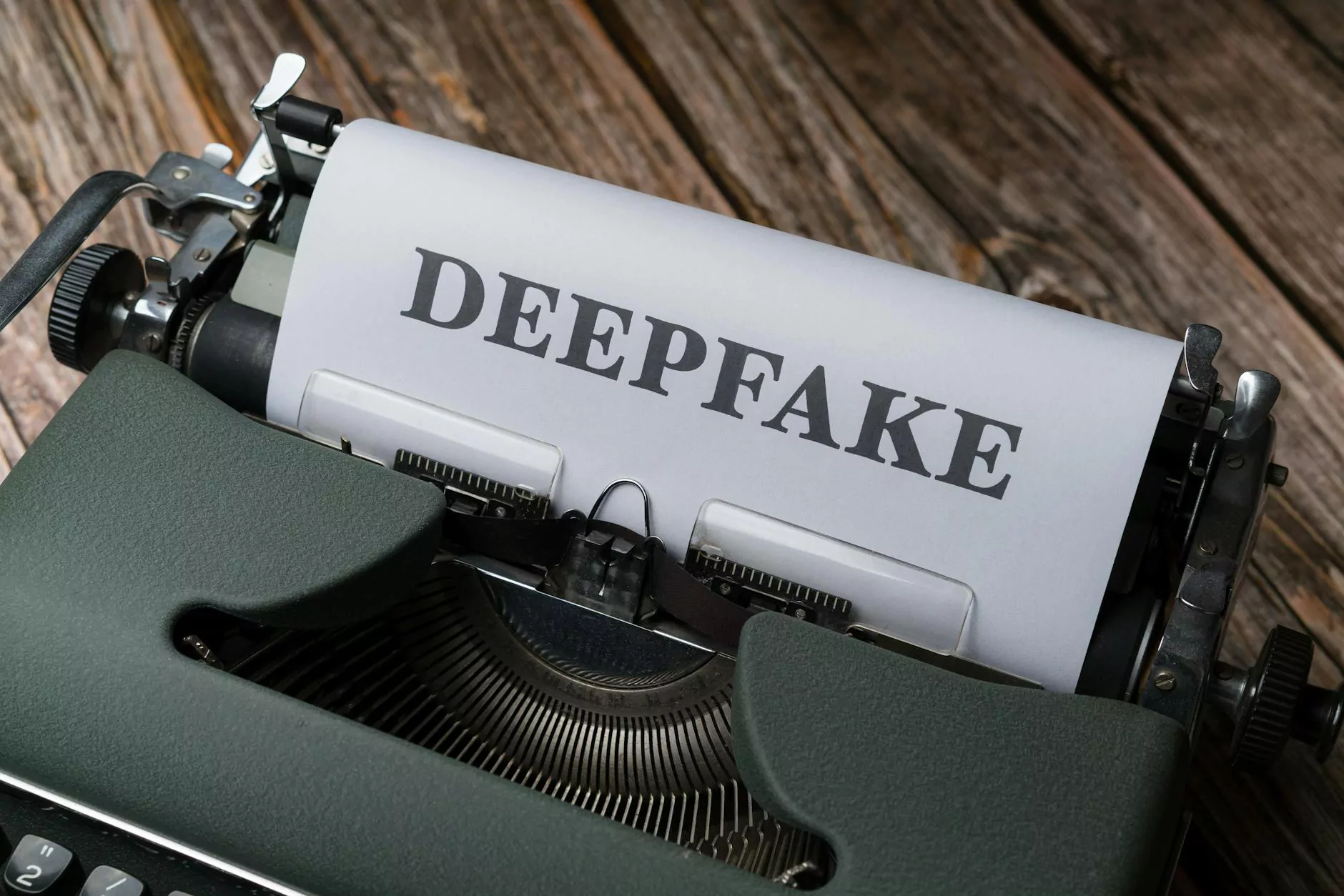
The realm of fake documents has seen significant evolution with technological advances, sophisticated printing methods, and growing demand across various sectors. Whether for entertainment purposes, artistic projects, or other legitimate uses, understanding the intricacies involved in making fake drivers license and navigating the fake docs industry is crucial. This comprehensive guide aims to shed light on the industry, offering detailed insights about how these documents are created, the reasons behind their demand, and the ethical considerations involved.
Understanding the Business of Fake Documents
What Are Fake Documents?
Fake documents are counterfeit versions of official papers such as driver’s licenses, passports, ID cards, diplomas, and other certifications. They are designed to resemble authentic documents closely enough to deceive the untrained eye, often for purposes such as entertainment, disguise, or, sadly, for illegal activities.
The Demand for Fake Documents
- Entertainment and Film Industry: Requiring realistic props for movies, television shows, and theatrical performances.
- Personal Privacy and Security: Some individuals seek anonymous identity documents for privacy reasons.
- Legal and Ethical Use Cases: Participating in training simulations or educational purposes where real documents cannot be used.
- Manipulative or Illicit Purposes: Unfortunately, some use fake documents for fraudulent activities, identity theft, or illegal crossings. Such uses are highly unethical and often illegal.
The Ethical Boundaries
While the industry exists mainly in legal grey areas, it is crucial to distinguish between legitimate uses—such as artistic or educational projects—and illegal activities like forging IDs to commit fraud. Making fake driver's license for criminal intent is unlawful and can lead to severe penalties. Responsible businesses operate within strict legal frameworks, ensuring that their services are used ethically.
How to Make Fake Driver's Licenses: An Inside Look
The Process of Creating a Fake Driver's License
Making fake driver's licenses involves several technical steps that require specialized skills and equipment. The process typically includes:
- Designing the Document: Modern fake licenses mimic official templates meticulously, requiring access to high-quality design software such as Adobe Photoshop or Illustrator. These templates often contain intricate security features like holograms, microtext, and UV elements, which skilled creators replicate to enhance authenticity.
- Choosing the Right Materials: High-grade, durable printing paper or plastic cards are essential to emulate real driver's licenses. The use of UV-sensitive inks and holographic overlays further increases the resemblance.
- Printing with Precision: Specialized printing techniques, such as offset or digital printing with color calibration, are used to produce crisp, vibrant images. For increased realism, some providers use RFID chips or embedded security features.
- Adding Personal Data: Personal information like name, date of birth, address, and license number are customized based on the client’s specifications. This step requires accuracy to avoid discrepancies that could arouse suspicion.
- Final Inspection and Quality Control: Every aspect is scrutinized for detail, ensuring that the fake license mirrors official documents so closely that it resists casual inspection.
Tools and Technologies Used in Making Fake Drivers License
- High-Resolution Printers: Capable of producing detailed images and microtext.
- Holographic Overlays: To imitate security features.
- UV Printing Equipment: For ultraviolet features invisible under normal light.
- Software Design Programs: For creating templates and custom designs.
- Plastic Card Manufacturing Machines: To produce durable, card-like documents.
Legal Implications and Risks of Engaging in Fake Document Production
It is imperative to acknowledge the legal landscape surrounding the making fake drivers license or any fake documentation. Engaging in such activities for illegal purposes carries severe consequences, including criminal charges, fines, and imprisonment. Many jurisdictions have strict anti-fraud laws that criminalize the manufacturing, distribution, or use of counterfeit IDs.
Important Legal Considerations
- Intellectual Property Rights: Many templates and security features are protected by intellectual property laws.
- Fraud and Identity Theft: Producing or using fake IDs for deception can be prosecuted under fraud statutes.
- Regulatory Compliance: Legitimate businesses offering fake documents often operate in countries or sectors where the sale is explicitly permitted for legal use cases, such as entertainment or research.
Risks of Illegal Fake ID Production
Aside from legal sanctions, creating or using fake driver’s licenses can lead to failure in verification processes, loss of reputation, and damage to personal or professional life. Law enforcement agencies are increasingly sophisticated in detecting counterfeit IDs, employing advanced forensic methods including hologram analysis, microprinting, and UV verification.
Choosing a Reliable Service for Fake Documents
While I advocate responsible use and ethical considerations, it’s essential to recognize that credible services—such as those found on trusted platforms—operate within legal limits, usually providing fake documents solely for entertainment or educational purposes.
Key Attributes to Look For
- High-Quality Production: Superior craftsmanship and adherence to security standards.
- Discretion and Confidentiality: Protecting client information is paramount.
- Legal Use Assurance: Clear policies that restrict illegal activities.
- Customer Support: Responsive service for customization and post-order queries.
Conclusion: Embracing the Complex World of Fake Documents Responsibly
The industry surrounding fake documents, especially making fake drivers license, is multifaceted, blending technological prowess with legal and ethical considerations. Whether for legitimate uses such as entertainment, artistic projects, or professional training, understanding the detailed processes involved is vital. Responsible providers prioritize authenticity, security features, and legal compliance, ensuring that their services serve constructive purposes without compromising integrity.
Remember, engaging with this industry responsibly and ethically not only protects you legally but also maintains the trust and reputation necessary for sustainable operations. Knowledge is power—use it wisely and stay informed about the complexities and responsibilities associated with fake documentation.


